
Minimalist vs. Cozy Home Decor: How to Choose Your Serene Style
Minimalist and cozy decor both quiet a room, just in different ways. Here is how to tell which calm fits your habits, your light and your daily life.
Minimalist vs. Cozy Home Decor: How to Choose Your Serene Style
Stand in the middle of a room you can't settle into, and the problem is rarely the sofa. It's the amount of information your eyes are being asked to process. Some people relax when the surfaces are clear and the walls go quiet. Others need a wool throw, a shelf of books and a lamp that turns one corner into a pool of gold. Both instincts are honest. Minimalist and cozy decor are not opposites — they are two different ways of lowering the noise, and most of us lean harder one way than the other without ever naming it. The useful question isn't which camp you belong to. It's which kind of calm your home can actually sustain on an ordinary Tuesday, when the post is on the hall floor and someone has left a mug on the arm of the chair.
What Minimalist Decor Really Is
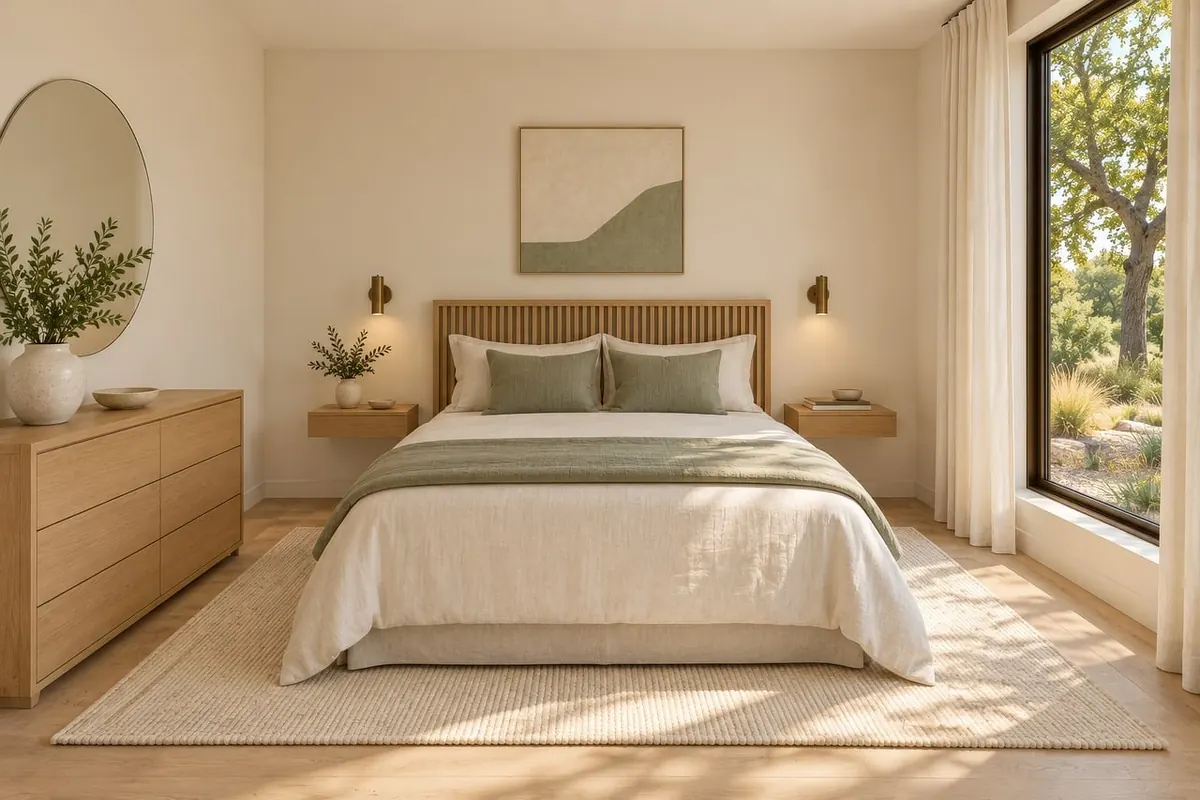
Minimalism, as a home style, is subtraction with a purpose: fewer things, each with room around it. One good lamp rather than five small ones. A clear counter instead of a parade of appliances. A palette of two or three tones that repeats from room to room, so the eye has nothing to renegotiate at every doorway. In a bedroom, that might mean a bed, two small bedside tables, one lamp and a single framed print — with the wardrobe, not the chair, holding the day's clothes.
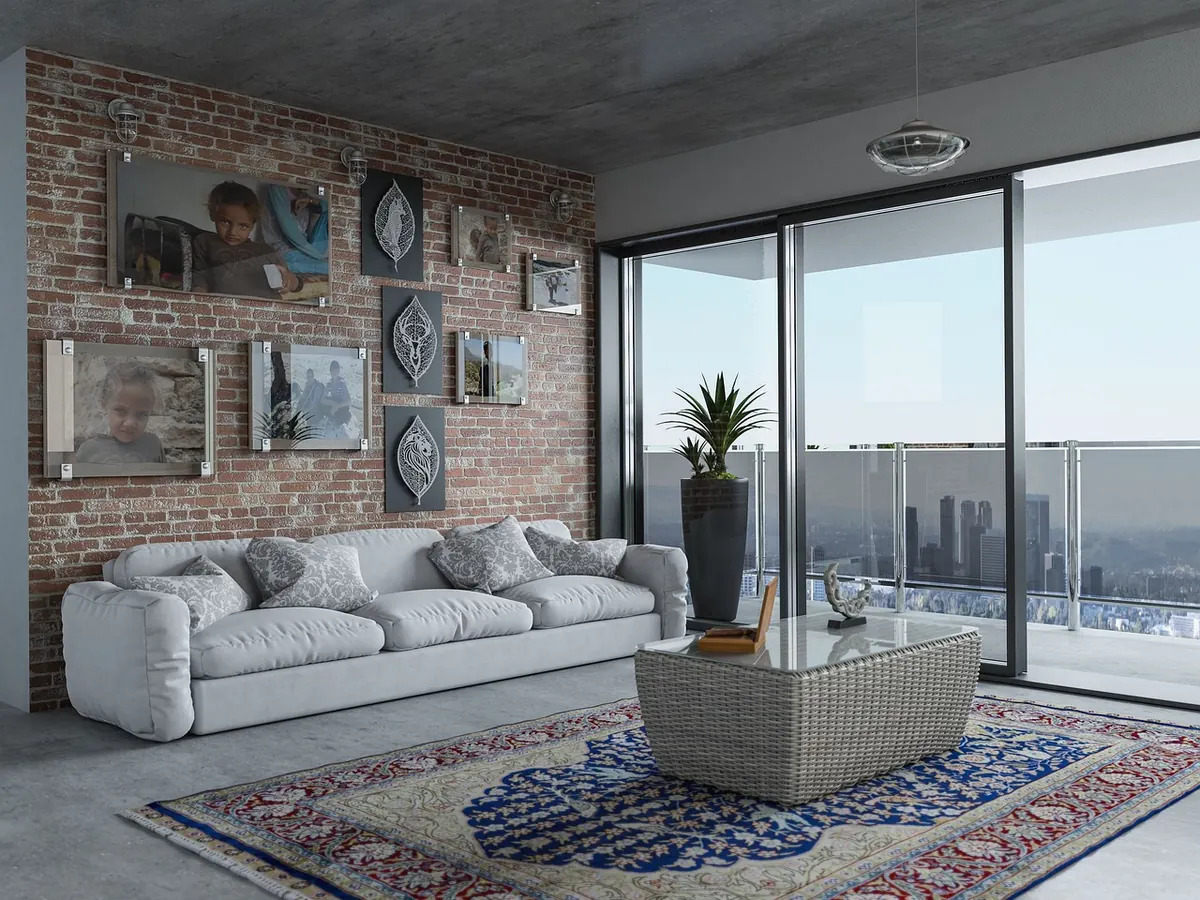
The discipline isn't emptiness. A working minimalist room still holds coats, charging cables, the school folder. The difference is that all of it lives behind a door or inside a drawer, and the visible surfaces stay mostly bare. Furniture sits on legs so the floor reads as continuous; light is diffused rather than dotted around; texture arrives through one material — linen, plaster, pale oak — used generously instead of a dozen busy patterns.
What it does well: small rooms feel larger, tidying takes minutes, and you stop hunting for things. What it demands: real storage and a willingness to own less rather than simply hide more. Without those two, minimalism turns into a bare room with a guilty closet.
What Cozy Decor Really Is
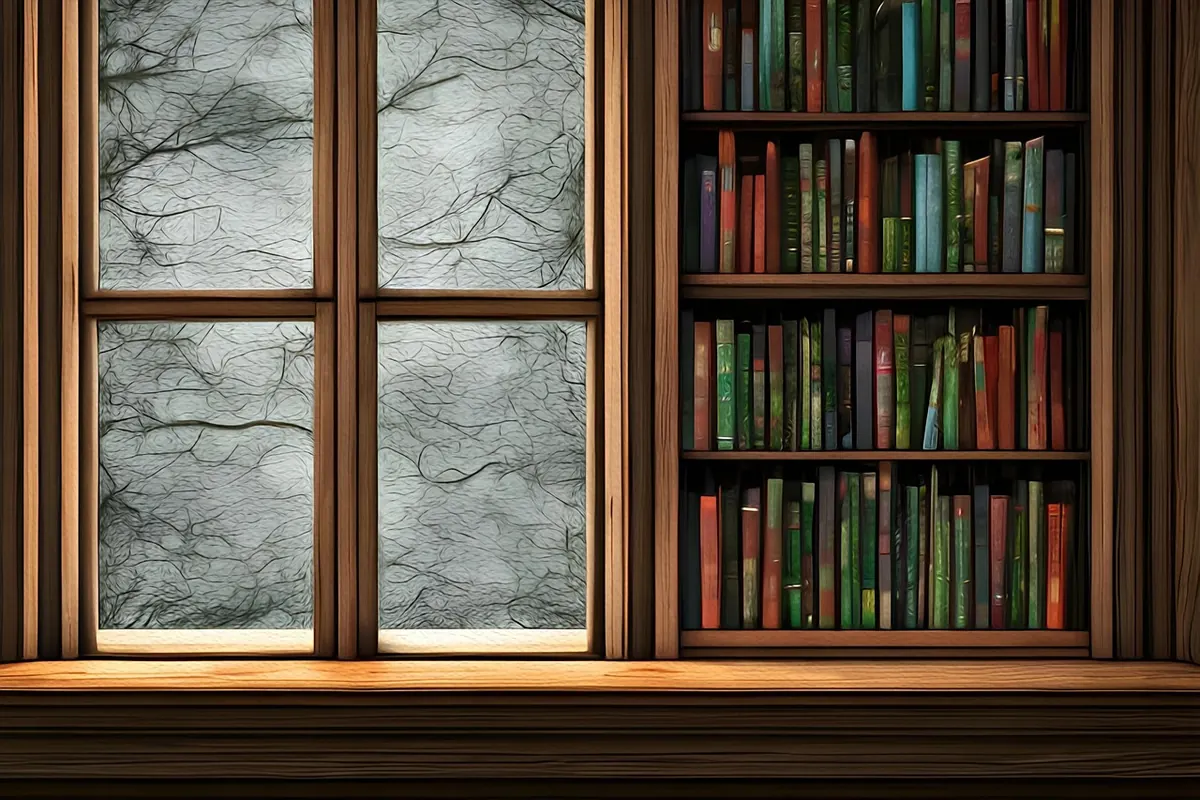
Cozy decorating works in the opposite direction: it layers. Texture over texture, warm light at eye level, objects that carry a memory — the bowl from your grandmother, the print you bought on a trip, the chair that's slightly worn where everyone sits.
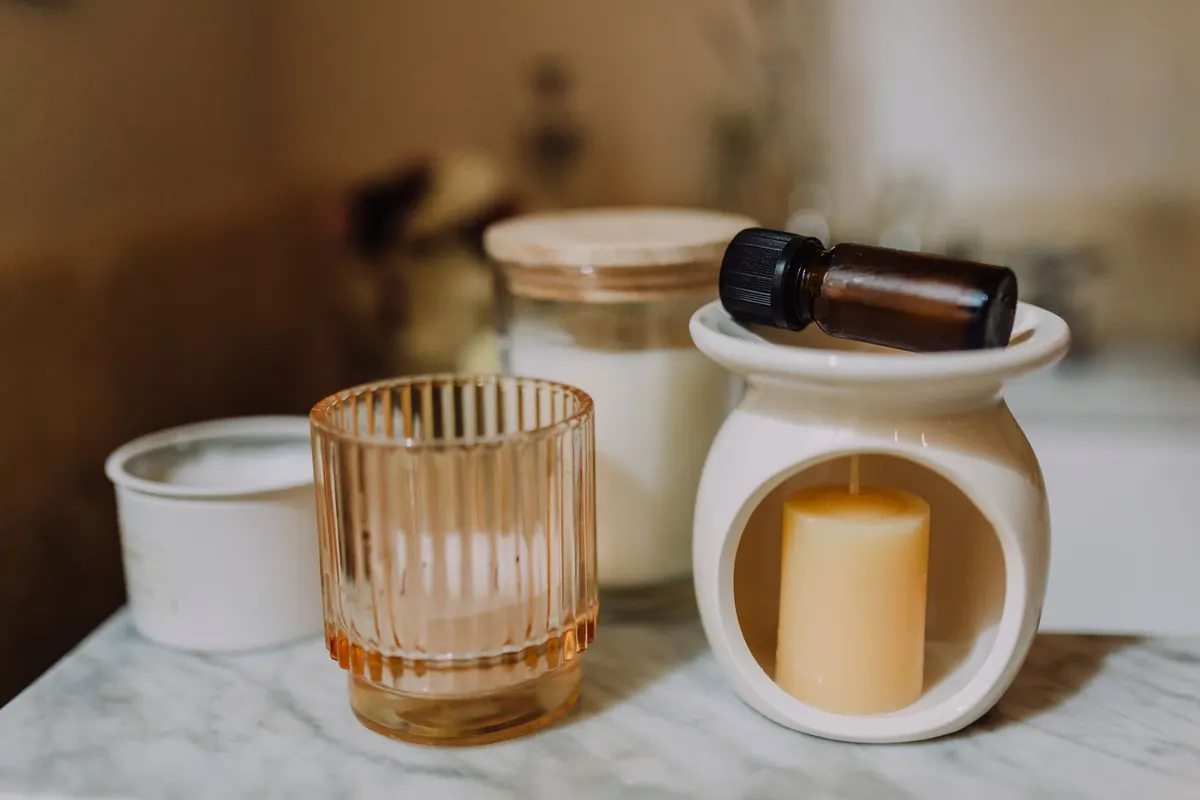
The mistake is assuming cozy means full. A cozy room is still edited; it just keeps different things. Instead of empty surfaces, it gives you a few deliberate ones: a stack of books with a candle on top, a tray that corrals the remote and the reading glasses, a bench with one basket rather than six. The layers are chosen, and there are enough of them to soften sound, light and edges. In a bedroom, the same discipline might mean a warm rug, a bedside lamp, a linen curtain and two framed photos — not every souvenir you own.
In practice, cozy usually means warm colours — clay, ochre, deep green, a warm white rather than a blue-white — plus wood, wool, rattan, aged brass, and curtains that actually cover the window. Lighting is the biggest lever: two or three small pools of light at chest height will do more for the feeling of a room than any number of cushions.
What it does well: it welcomes people. Guests sit down, children play on the rug, the room feels inhabited. What it demands: editing and dusting. Every open shelf is a small ongoing job, and texture collects fluff. Cozy only stays calm when someone is willing to remove things, not just add them.
The Same Room, Two Ways
Take an ordinary living room of around twenty square metres. Here is how the two approaches would handle the same decisions.
- Palette. Minimalist: warm white walls, pale oak, one black line from the floor lamp. Cozy: warm white walls too, but with a clay-coloured rug, olive cushions and a walnut sideboard — more tones, all of them warm.
- Seating. Minimalist: a sofa and one armchair, spaced so the floor between them stays open. Cozy: the same two pieces, plus a footstool, a throw over the arm and a narrow side table that holds a cup.
- Lighting. Minimalist: one diffused ceiling fixture, ideally dimmable, plus daylight. Cozy: the ceiling light stays off after dark; a floor lamp, a table lamp and a candle do the work.
- Walls. Minimalist: one large piece, or nothing, letting the architecture speak. Cozy: a small cluster of framed things, hung low enough to be seen from the sofa.
- Surfaces. Minimalist: empty except for one object with a job, like a bowl for keys near the door. Cozy: a tray with three or four useful, good-looking things, a plant, and a candle that gets lit.
- Small objects. Group them, whichever style you choose. Five small things clustered read as one object; five scattered across a shelf read as clutter.
- Upkeep. Minimalist: ten minutes with a cloth and you're finished. Cozy: more dusting and more rotation, but also more reasons to stay in.
Which One Suits Your Life Right Now
Style preferences are real, but circumstances usually decide faster. Answer honestly.
- When you walk into a hotel room, do you feel relief, or do you want to drape a scarf over the lamp?
- Is your default tidy-up "put it away" or "make it look nice"?
- Does everything have a home, or does every flat surface become a shelf within a week?
- Do you dust willingly, or does it happen twice a year?
- Is there a toddler, a shedding dog or a plant-eating cat in the house?
- Does the room get real daylight, or is it dim by four in the afternoon?
- Do you host often, or is home mostly a place to recover?
If you chose the first option most of the time, minimalism will probably feel like relief. If you chose the second, cozy is closer to how you actually live. If the answers were mixed — clear surfaces but warm lamps, open floor but a basket of blankets — you are not confused. You are describing the hybrid most homes need.
The Hybrid Most Homes Actually Need
Pure minimalism and full cozy are useful reference points, not rules. The most livable rooms borrow the bones of minimalism and the edges of cozy: a quiet shell, clear work surfaces, warm light, and a few soft, useful things that make the room feel inhabited. Think of it as minimalism for the structure and cozy for the atmosphere.
- Clear the visual floor. Empty the most visible surfaces first — kitchen counter, coffee table, bedside table. Put away everything that does not have a job or a memory.
- Warm the light. Replace one harsh overhead bulb with a floor or table lamp at chest height. If the ceiling light stays, put it on a dimmer.
- Choose one texture to repeat. Wool, linen, rattan or aged wood. One texture used three times reads as calm; three textures used once read as noise.
- Give every object a job or a memory. A bowl for keys has a job. A framed photo has a memory. A decorative bowl that holds nothing and means nothing is the first thing to remove.
This hybrid is not a compromise. It is a sequence. Minimalism manages the bones; cozy adds the pulse. Without the first, cozy becomes clutter. Without the second, minimalism becomes a waiting room.
How to Shift Your Existing Room Without Starting Over
You do not need a new sofa to test a direction. Pick one room and make three moves this weekend. First, remove three things from the most visible surface and live with the space for a week. Second, move one lamp from the ceiling switch to a corner at eye level, and use only that lamp after dark for three evenings. Third, add one texture where you actually sit — a wool throw, a linen cushion, a small rug under your feet — and notice whether you reach for it. If the room feels calmer with less on show, lean minimalist. If it feels warmer but still tidy, lean cozy. Either way, you have learned something more useful than a style label: the exact amount of visual noise your home can carry before it stops feeling serene.
A calm room is not the one with the least or the most in it. It is the one where every visible thing has been chosen twice: once for use, once for feeling.
Choose the style that matches your habits, not the one that photographs better. Minimalist or cozy, the goal is the same: a room that asks less of you when you walk in, and gives more back when you stay.
Photo: AberrantRealities / Pixabay