
What Is Slow Living? A Clear Explainer for Beginners
Slow living is not about doing everything at a snail's pace. It is a practical way to choose your speed, protect your attention, and drop what you don't need.
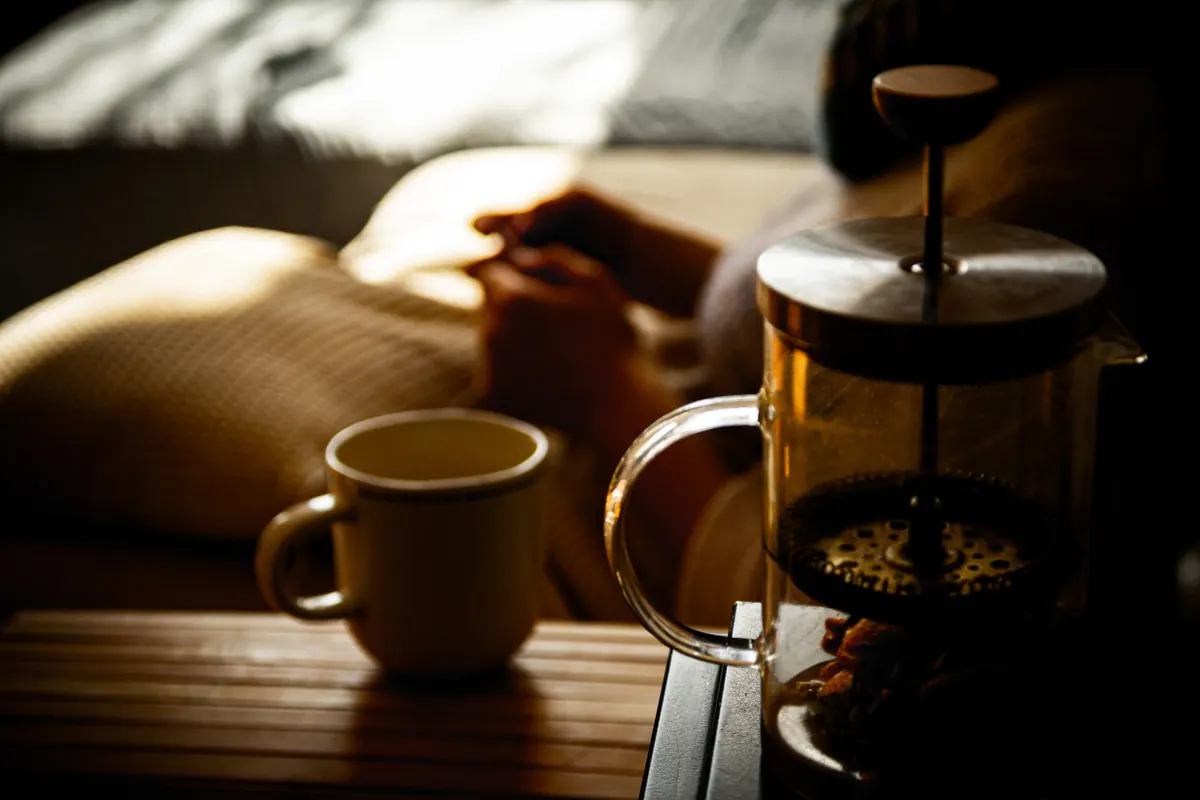
You have probably met the phrase on a candle label, in a magazine spread of a white kitchen, or at the top of a list of habits to try in January. It sounds lovely and explains almost nothing. So here is the plain version: slow living is the practice of deciding, on purpose, what deserves your speed — and letting everything else move at a pace that still leaves you inside your own life.
That distinction matters. Most people who try it for a week discover they do not actually want to be slower. They want to be less scattered. The point is not to spend three hours making breakfast; it is to stop rushing through things that never needed rushing.
What Slow Living Actually Means
Slow living is a filter, not a checklist. There is no founder, no membership, and no correct version of it. The idea has roots in Italy's slow food movement, which began as a pushback against eating quickly and badly, but it has since spread to how people work, travel, buy, and rest. What holds it together is a single habit of mind: asking whether speed is genuinely required before you give it away.
In practice, that habit shows up as three questions you start asking more often:
- Does this need to be fast? A few things do. A train, a deadline, a child running toward the road. Most things do not, and treating them as emergencies is a choice, not a fact.
- Does this need to happen at all? A surprising share of a busy week is made of obligations nobody asked for. The second question is where slow living saves the most time.
- Does it need to be mine? Some tasks can be shared, delegated, or dropped entirely. Others are worth keeping precisely because they are yours.
What It Is Not
A few misconceptions are worth clearing up early, because they make the whole idea feel either impossible or silly.
- It is not about moving slowly. You can live slowly and still walk briskly, work hard, and finish things. Pace is one tool, not the whole philosophy.
- It is not anti-technology. A phone is a tool. The question is whether it interrupts the meal, the conversation, the walk — not whether it exists.
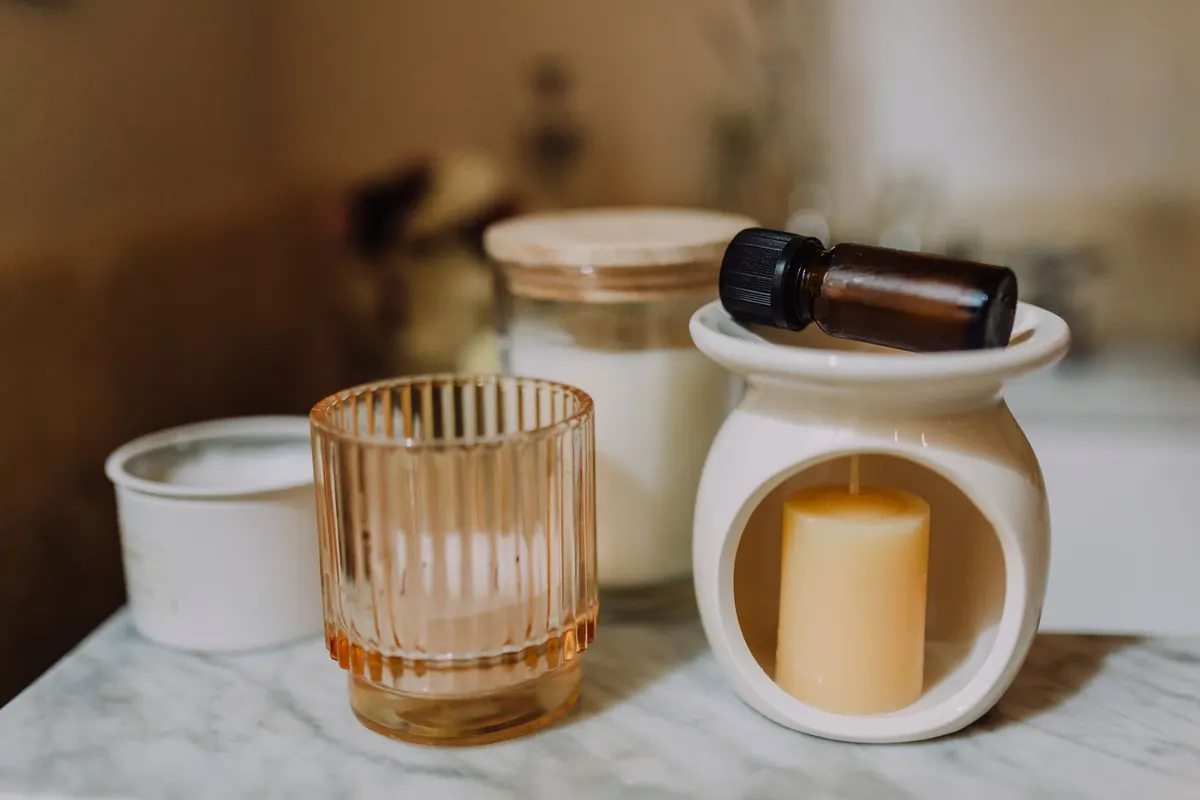
- It is not a shopping style. Linen aprons, ceramic mugs, and wooden spoons photograph beautifully, but you cannot buy your way into a calmer week. The aesthetic is often a byproduct, never the method.
- It is not a productivity system. The moment it becomes another thing to optimise, tracked in an app with a streak to protect, the point has been lost.
- It is not a retreat from responsibility. Bills still arrive. Slow living is about how you carry a full life, not about emptying it.
The Four Things You Are Actually Adjusting
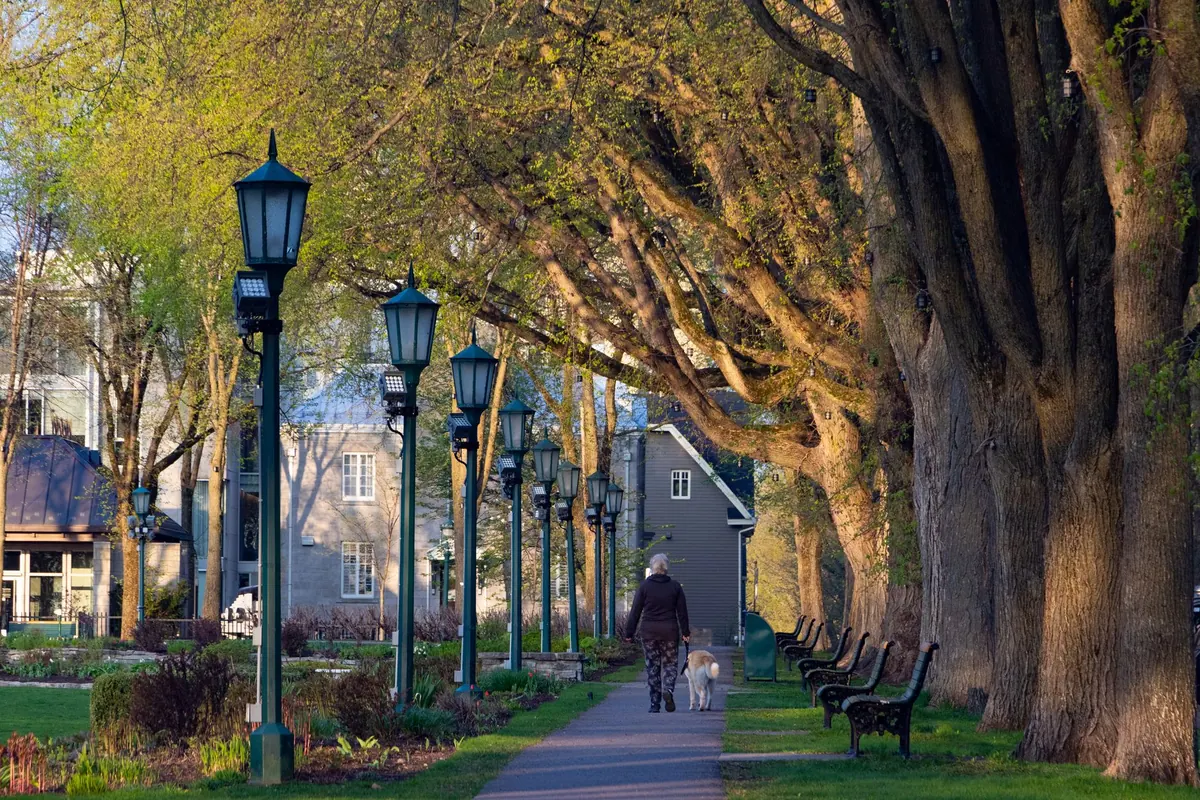
Pace. How fast you do a thing, and whether fast is warranted. Eating lunch without a screen is a pace change. So is walking to the shop instead of driving when you have twenty spare minutes.
Attention. Whether you are actually present for what is in front of you. This is the one most people underestimate. Half an hour of undivided attention to a friend, a book, or a saucepan of onions feels longer and better than three hours of half-attention spread across five things.
Quantity. How much you take on, buy, and agree to. Slow living usually makes a week emptier before it makes it richer. Fewer commitments that matter beat ten that don't.
Rhythm. When things happen, and whether the day has any shape. A real breakfast, a walk at the same time each evening, a Sunday with nothing scheduled — small repeating anchors do more for a sense of calm than a single grand gesture.
Why It Is Harder Than It Sounds
The obstacles are rarely logistical. They are social and internal. Other people's expectations keep arriving: the meeting that could have been an email, the invitation you feel obliged to accept, the assumption that a prompt reply is a moral virtue.
There is also the discomfort of stopping. Many people find that an unplanned hour feels less restful than it should, at least at first, because the mind keeps reaching for the next task. That restlessness is normal and it fades. Give it a few weeks before deciding that quiet is not for you.
One more trap worth naming: slow living can turn into a performance. If you find yourself arranging a slow morning for the photograph rather than for the morning, you have simply swapped one form of busyness for another.
First Steps: A Two-Week Experiment
Rather than overhauling your life, run a short, modest trial. Pick a start date and try these:
- Choose one hour a day that stays unoptimised. No phone, no second screen, no catching up on something else. Breakfast, a walk, or the hour before bed all work.
- Do one routine task by hand. Grind the coffee, knead the dough, hang the washing, sharpen a knife properly. The task is not the point; the sustained attention is.
- Cut one commitment. Look at the week ahead and find something you do from habit or obligation rather than genuine care. Decline it, or let it lapse.
- Eat one meal a week at a table, without a screen. If you live with others, include them. If you live alone, a book counts.
- Set a stopping point for the day. A time after which work is finished, even if it is not all done. It never is.
- Keep three lines of notes each evening. What felt better, what felt worse, what you missed. Two weeks of this tells you more than any article can.
How to Tell It Is Working
The signs are quiet. You finish a conversation without checking the time. You notice the walk you take every day. You stop describing yourself as busy as though it were a personality. You have a little buffer in the day, and boredom occasionally appears — which, handled well, is often the beginning of an idea.
If resting or doing less brings up persistent anxiety, that is worth taking seriously rather than pushing through. Slow living is a set of habits, not a treatment, and a conversation with a doctor or therapist is a sensible step if the discomfort runs deep.
Start With One Small Thing
You do not need a new wardrobe, a cabin, or a cleared calendar. Choose one item from the list above — the simplest, least dramatic one — and try it for seven days. Keep it if it helps; drop it if it doesn't. Then choose another. Slow living is built the way most things are built: one ordinary, repeated decision at a time, until the unhurried version of your week starts to feel like the normal one.